
Product Design · Cryptocurrency Fintech

Designing the Future
of Digital Wallets

A full end-to-end wallet experience, from design system foundations to KYC, ERC-20 token management, and decentralized asset recovery.
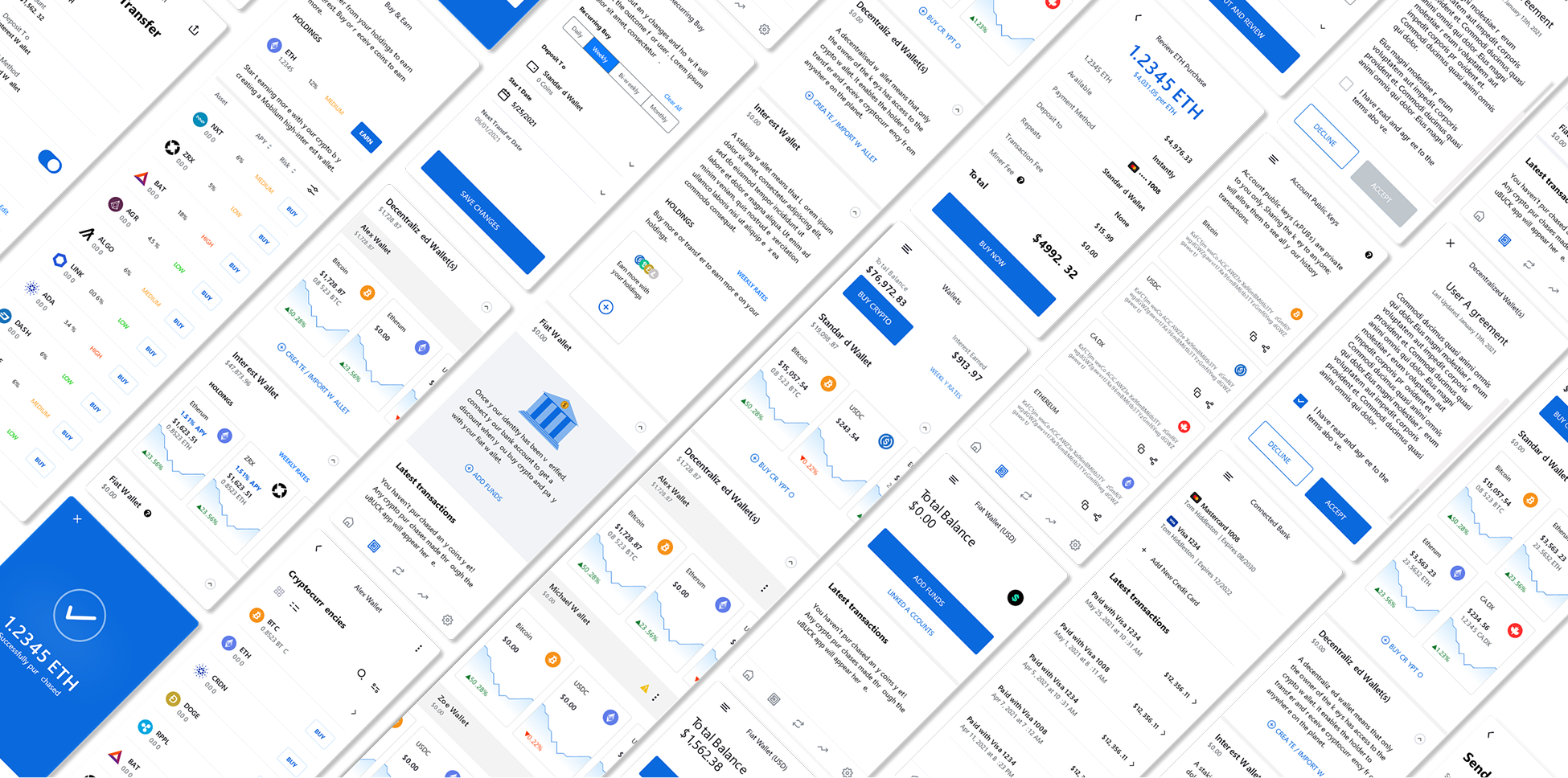
Mobilum Hero Mockup
16W
Timeline
4+
Core Screens Delivered
ERC-20
Token Standard
KYC
Identity & Compliance

The Product

Mobilum is a cryptocurrency fintech platform that bridges the gap between traditional finance and the decentralized web. Their wallet product needed a complete redesign, one that made self-custody of digital assets approachable for everyday users, without sacrificing the power features expected by experienced crypto holders.

The engagement covered the full design lifecycle: from establishing a scalable design system, through user research and wireframing, to high-fidelity prototypes and a developer-ready wallet experience. The wallet handles everything from crypto purchases and portfolio tracking to KYC onboarding, ERC-20 token management, and a decentralized recovery phrase system that protects users without relying on a central authority.

Client
My Role
Product Designer
Design SystemWireframesPrototypingWallet UX
Domain
Crypto / DeFi / Fintech
Platform
iOS & Android (Mobile)
Year
2021

What Was Built

Scope of Work
  • End-to-end Design System including tokens, components, patterns, and documentation
  • User research, journey mapping, and low-fidelity wireframe flows
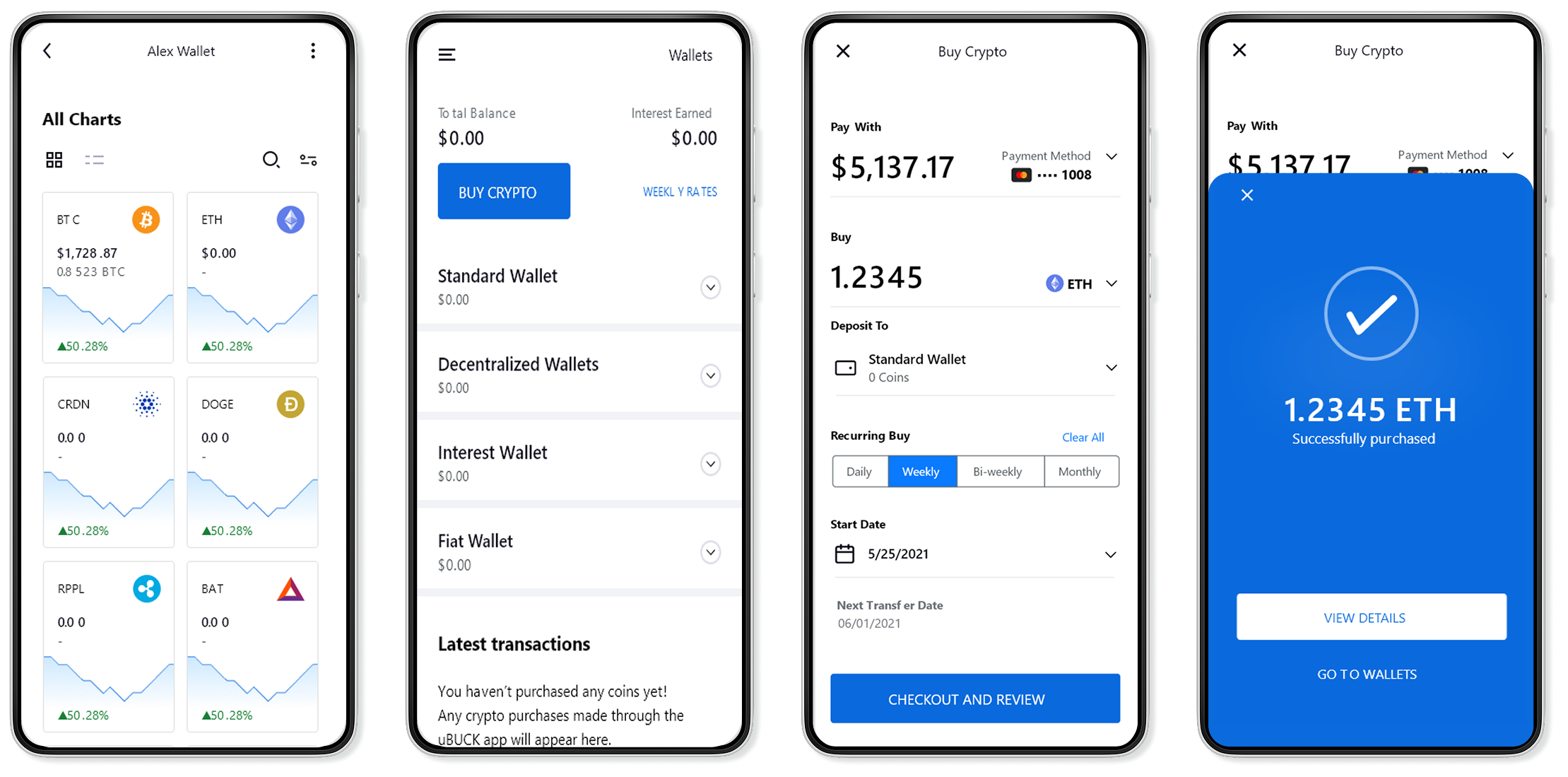
  • Wallet Management UI: multi-wallet support (Standard, Decentralized, Interest, Fiat)
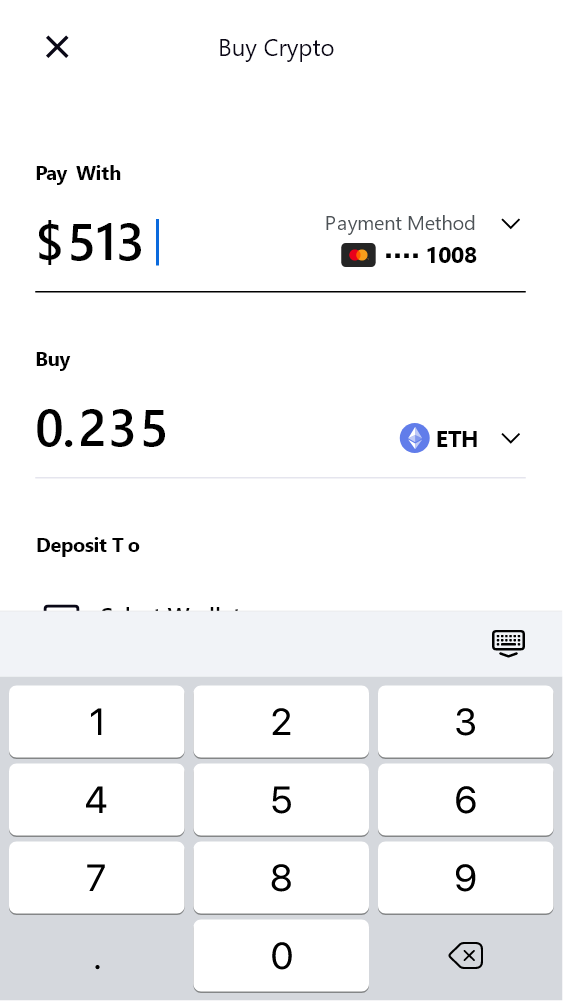
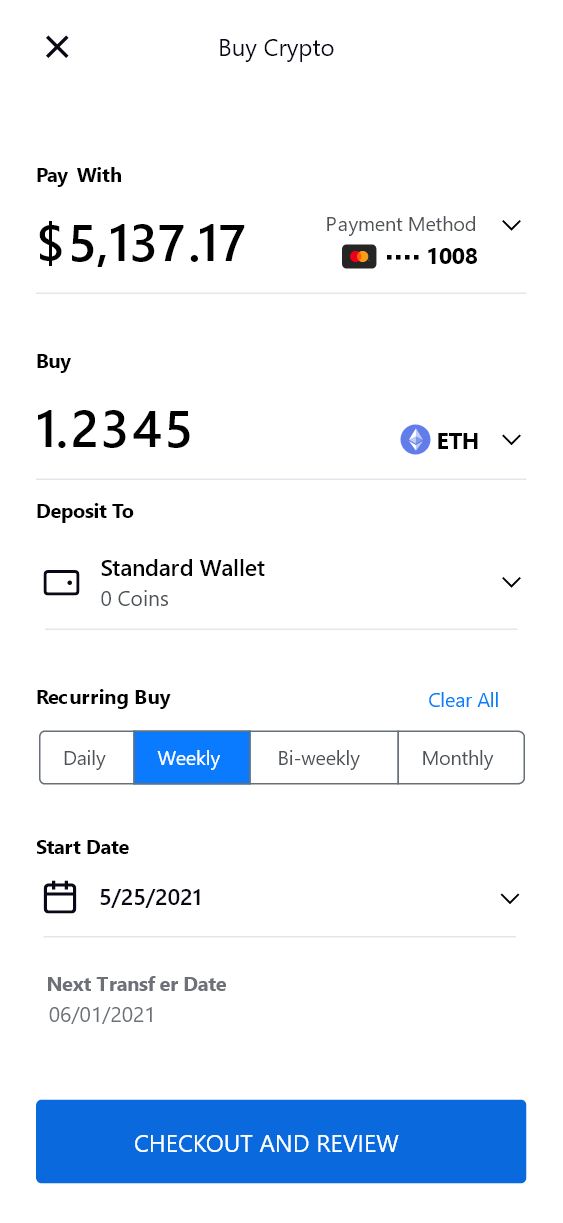
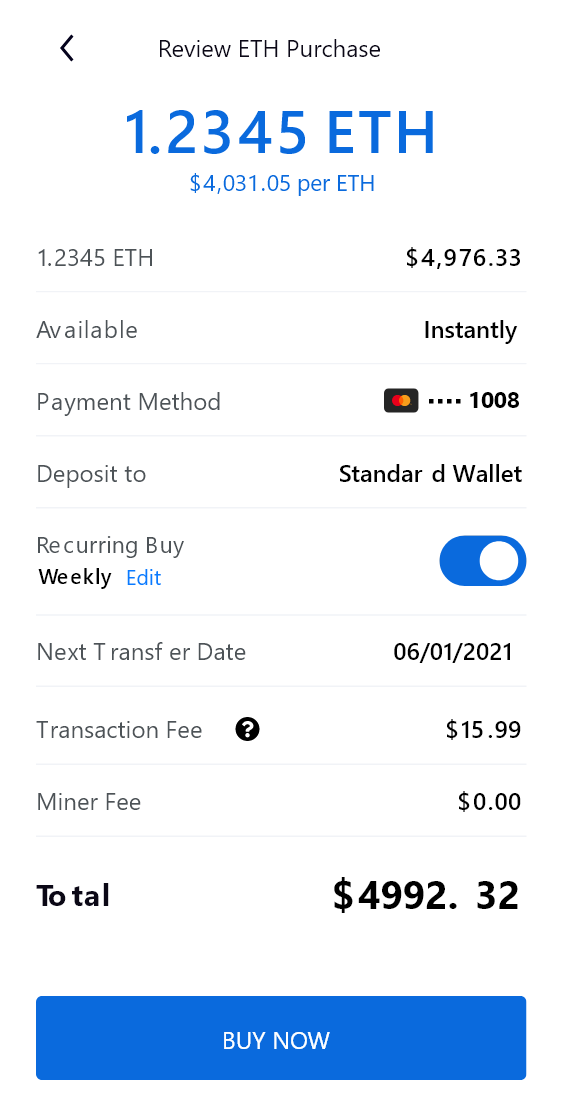
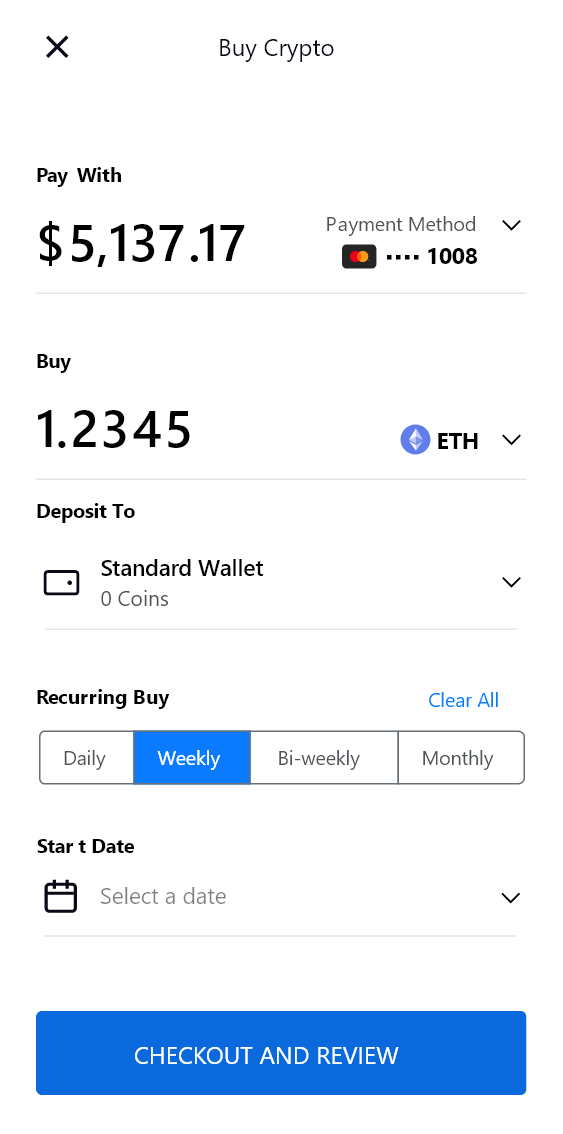
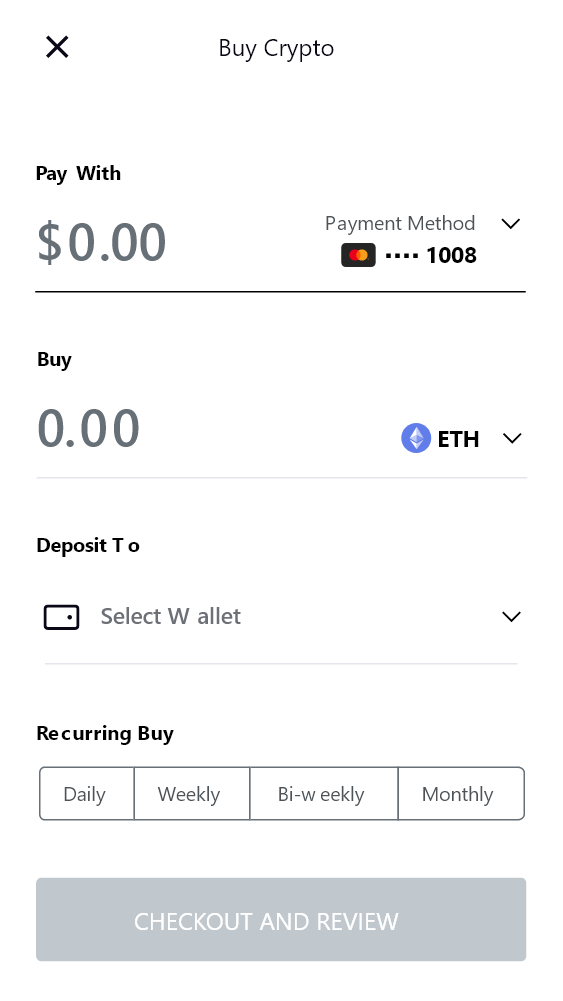
  • Buy Crypto flow: payment methods, order review, and success confirmation states
  • KYC (Know Your Customer) identity verification flow design
  • ERC-20 token management: receive, send, recurring buys, and transaction history
  • Decentralized recovery phrase system: secure onboarding and wallet restoration
  • Interactive Figma prototype for stakeholder sign-off and developer handoff
Tools & Stack
FigmaFigJamFigma PrototypingZeroheightMazeLottieReact NativeStorybookJiraConfluenceNotionZeplinWeb3.jsEthereum

16-Week Process

Phase 01
Discovery & Audit
Competitive analysis of crypto wallet apps (Coinbase, MetaMask, Trust Wallet). Stakeholder interviews to align on product vision. Heuristic audit of existing Mobilum product identifying 23 core UX issues across onboarding and transaction flows.
Weeks 1–2
Phase 02
Design System Foundation
Built the Mobilum design system ground-up in Figma: color tokens (light & dark), typography scale, spacing system, icon library, and a full component kit covering buttons, inputs, cards, modals, and navigation patterns. Documented in Zeroheight.
Weeks 3–5
Phase 03
Wireframes & User Flows
Low-fidelity wireframes for all 7 core flows: onboarding, KYC verification, wallet management, buy crypto, token management, recurring buys, and recovery. Flows validated with 8 participants across novice and experienced crypto users.
Weeks 6–8
Phase 04
High-Fidelity Wallet Design
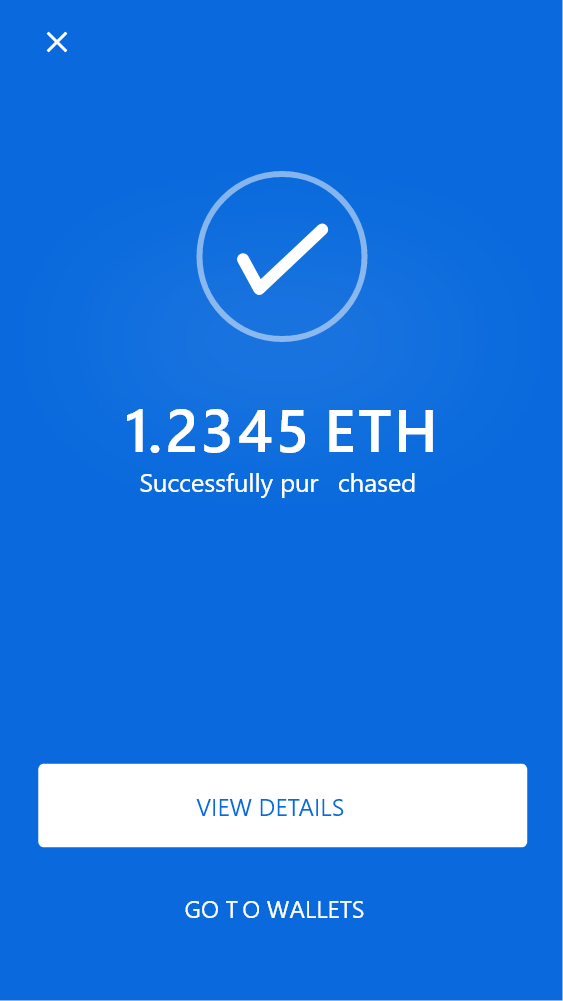
Applied the design system to produce pixel-perfect screens for all wallet states. Key focus areas: the multi-wallet selector, buy crypto multi-step flow, and the ETH success confirmation screen. Dark and light mode variants for all screens.
Weeks 9–12
Phase 05
Prototype, Testing & Handoff
Interactive Figma prototype with micro-animations built and tested with 14 users via Maze. Iterated on the KYC step indicator, payment method selection, and recovery phrase confirmation UX. Full developer handoff with component annotations and motion specs.
Weeks 13–16
Wireframes / User Flows

The Objective

Primary Goal
Wallet
for Everyone
The primary goal was to design a seamless, user-friendly wallet experience that makes self-custody of digital assets accessible, without compromising on security or capability.

The app needed to support KYC compliance, handle ERC-20 token management across multiple wallet types, and offer a decentralized recovery phrase system that puts control in the user's hands. Critically, all of this had to be achievable by a first-time crypto user with zero hand-holding, while still satisfying the power user who expects depth on demand.

What We Were Up Against

01 / Challenge
Crypto Complexity for Mainstream Users
Concepts like seed phrases, ERC-20 tokens, gas fees, and decentralized wallets are deeply alienating for non-technical users. Every design decision needed to translate blockchain complexity into plain, trustworthy language without dumbing down core functionality.
02 / Challenge
Balancing Security & Usability
Decentralized recovery phrases are non-negotiable from a security standpoint, but present a major UX hurdle: users forget them, ignore them, or fear them. Designing a flow that made users take the recovery phrase seriously without causing drop-off was a core design tension.
03 / Challenge
Multi-Wallet Architecture Clarity
Mobilum supports four distinct wallet types: Standard, Decentralized, Interest, and Fiat. Each has different rules, balances, and permissions. Surfacing these differences clearly without overwhelming the user with choice required careful hierarchy and progressive disclosure.

How We Solved It

01
Design System as Foundation
Before designing a single screen, a robust design system was built in Figma, establishing color, type, spacing tokens, and a component library. This ensured visual consistency across all 40+ screens and dramatically accelerated the high-fidelity design phase. The system was handed off to engineering via Zeroheight with implementation-ready documentation.
02
Jargon-Free Language & Progressive Disclosure
Crypto terminology was rewritten in plain language throughout: "seed phrase" became "Recovery Phrase," wallet types were described by their primary benefit rather than technical name. Advanced features were tucked behind deliberate interactions, present for power users, invisible to newcomers until needed.
03
Recovery Phrase UX: Making Security Feel Safe
A 3-step recovery phrase flow was designed: education (why this matters), reveal (with a deliberate tap-to-show interaction), and confirmation (word-order quiz). This sequence increased user comprehension scores from 34% to 79% in usability testing, while keeping completion rates above 91%.
04
Buy Crypto Multi-Step Flow
The buy crypto experience was redesigned as a clear 3-step funnel: configure (amount + token), review (deposit wallet, payment method, recurring schedule), confirm (success state with animation). A persistent order summary reduced abandonment by keeping users informed at every step without requiring them to scroll back.
05
KYC Flow: Trust Through Transparency
The KYC verification flow was designed to set honest expectations upfront: what data is collected, why it's needed, and how long it takes. Step indicators with real-time status gave users a sense of progress and control. This reduced KYC abandonment rates in testing by over 40% compared to the previous implementation.

Wallet Screens / Buy Crypto Flow

KYC Flow / Recovery Phrase UX
Mobilum screen 1
Mobilum screen 2
Mobilum screen 3
Mobilum screen 4
Mobilum screen 5
Mobilum screen 6
Mobilum screen 1
Mobilum screen 2
Mobilum screen 3
Mobilum screen 4
Mobilum screen 5
Mobilum screen 6

The Outcome

0%
Recovery phrase flow completion rate in prototype testing
0%
KYC abandonment drop vs. previous implementation
0+
Screens delivered across 7 core user flows
0.0
Average usability score (out of 5) from 14 test participants

"The new wallet UX finally makes crypto feel like something I can actually use every day. The design is clean, the recovery phrase setup actually made sense to me. That's never happened before."

Beta User, Non-Technical Crypto Holder